Established 2021 Practical, store-ready modules

Train footwear teams to sell with confidence and run an organized stockroom

velcrwona teaches the daily mechanics of footwear retail management: shoe merchandising standards, customer service language, inventory organization, and sales communication that feels helpful rather than pushy. Built for associates, supervisors, and store managers who want consistent floor behavior and clean replenishment routines.

Floor scripts + role-play prompts
Stockroom routines you can run tomorrow
Merchandising checklists for footwear walls
Training focus
Footwear retail operations
Education only
shoe store merchandising display
Merchandising
Planograms, sizing runs, wall discipline
Routines
Cycle counts, backstock flow, replenishment
Service
Fit conversations, add-ons, follow-through
Floating reminder: the best floor teams win on basics, repeated daily.
Established
2021
Training built around real store routines
Course format
Weekly
Short lessons plus a practice task on shift
Learning style
Role-play
Scripts, objections, and fit conversations
Operations focus
Stock
Replenishment flow and stockroom zoning

What velcrwona teaches (and why it works on the floor)

Footwear retail is detail-heavy in a way most training misses. A single weak habit—unclear fit language, messy sizing runs, slow backroom handoffs—shows up as confusion at the wall, longer dwell time, and inconsistent service. This course focuses on the unglamorous mechanics: how to keep a footwear wall shoppable, how to preserve size integrity, and how to communicate value without overselling.

You will practice the moments that decide outcomes: greeting and needs discovery, switching a shopper from “just browsing” to a clear use case, recommending alternatives when a size is missing, and closing with care instructions or add-ons that match purpose-of-wear. On the operations side, you will learn stockroom zoning, replenishment cadence, cycle count habits, and how to prevent common shrink and mis-pick scenarios through labeling discipline and handoff routines.

Every module ends with a short practice task designed for a real shift: a five-minute wall walk, a two-customer role-play, or a stockroom reset checklist. The aim is steady improvement through repetition, not a one-time workshop.
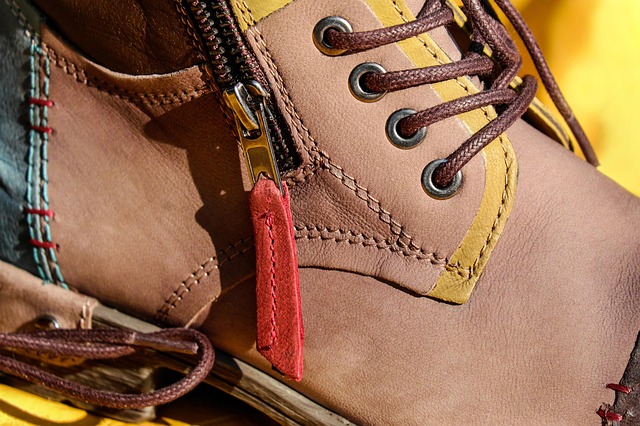
A quick preview of the curriculum

  • Merchandising standards for footwear walls: facing, spacing, size ladders, and keeping best-sellers visible.
  • Customer service language for fit and comfort: simple cues, clear choices, and respectful objection handling.
  • Inventory organization: zoning, labeling, bin logic, replenishment cadence, and cycle count habits.
  • Sales communication: value framing, alternatives when a size is missing, and add-on recommendations that make sense.
Educational content only

The course teaches retail skills and routines. It does not provide financial, legal, or business advice.

Read the disclaimer

Skills you can apply in a real shoe store

The course is structured around repeatable behaviors: what to do at the wall, what to say at the fitting bench, and what to standardize in the stockroom. The goal is consistent execution—planogram discipline, size-run integrity, and service language that keeps the customer comfortable.

Key module

Footwear merchandising that stays clean all day

Learn how to maintain a footwear wall so it stays shoppable between rushes: facing rules, space discipline, size ladder checks, and fast resets. Includes a wall-walk checklist and a simple method for spotting broken sizing runs before customers do.

Facing and spacing
Easy-to-audit standards
Size-run integrity
Quick checks that prevent gaps

Customer service scripts for footwear

Use purpose-of-wear questions, fit confirmation language, and calm objection handling. The scripts are designed to sound natural at the bench and on the floor.

Stockroom zoning and replenishment cadence

Set up zones, labels, and bin logic that reduce mis-picks and speed up backroom handoffs. Includes a replenishment routine that keeps fast movers close.

Sales communication that stays helpful

Learn phrasing for alternatives when a size is missing, value framing for materials and comfort features, and add-on suggestions that match the customer’s use case. You will also practice “handoff lines” so a team member can continue the conversation without repeating questions.

Needs discovery Alternative offering Add-on logic Team handoffs

Shift checklists you can run consistently

Use short checklists for opening, mid-shift resets, and closing. The aim is clean standards without turning the shift into paperwork.

Inventory organization fundamentals

Reduce time spent searching for sizes with stockroom mapping, clear labels, and a sensible overflow strategy for peak seasons and delivery days.

Prefer a page-by-page breakdown? Visit Course Overview.

How the learning flow works

The course is designed around small, repeatable actions. Each step includes a time estimate and a practice task that can be completed during a normal shift. Managers can use the same structure for coaching notes and quick huddles.

  1. 01 Baseline

    Review the current wall condition and the stockroom map. Identify two friction points: common missing sizes and common delays in fetching pairs.

    Time: 20 minutes
    Practice task: a five-point wall walk
  2. 02 Merchandising

    Apply facing and spacing rules, rebuild size ladders, and set quick resets that keep the wall consistent during busy periods.

    Time: 60–90 minutes
    Practice task: rebuild one footwear bay
  3. 03 Service language

    Practice needs discovery and fit confirmation. Use clear alternatives when the exact size is missing and finish with a calm close.

    Time: 45 minutes
    Practice task: two role-plays per shift
  4. 04 Inventory routines

    Set stockroom zones, label rules, and a replenishment cadence. Introduce short cycle counts to protect size integrity.

    Time: 60 minutes
    Practice task: map and label one zone
Looking for outcomes and team benefits? Visit Benefits.

Examples from store teams using the training

These examples describe typical operational improvements from consistent merchandising and stockroom habits. Results vary by store layout, delivery patterns, staffing, and product mix. Quotes reflect client feedback and are provided for educational context.

Case study: faster size retrieval during peak hours

Problem: a multi-brand shoe store saw frequent delays when fetching sizes from the backroom, especially for fast movers. Approach: the team introduced zoning, a single “hot sizes” shelf by category, and a handoff phrase so the floor associate could keep the customer engaged while a runner pulled stock. Outcome: retrieval time became more predictable and the floor stayed calmer during rush periods.

Attribution: Jana P., Store Supervisor, footwear retailer in South Moravia

Case study: cleaner merchandising standards across shifts

Problem: the footwear wall looked different depending on who opened or closed. Approach: managers used a five-point wall walk, set a simple facing rule, and assigned a single bay per associate for a quick end-of-shift reset. Outcome: the wall stayed more consistent, and new staff learned expectations through repetition instead of correction.

Attribution: Marek D., Floor Manager, town-centre shoe store in ZlĂ­n Region

Mini chart: practice completion trend (sample)

This is an example of how a manager might track weekly practice completion across a team. It is illustrative and intended for education, not a promise of outcomes.

Weeks tracked
6
Short, repeatable tasks
Focus areas
3
Wall, service, stockroom
“The best part was the language for fit checks. It gave newer associates words that sound normal, and it reduced the awkward back-and-forth at the bench. We also adopted the wall walk before lunch, which keeps the bays tidy.”
Lenka R., Assistant Manager, footwear store in Brno
“We used the stockroom zoning lesson to re-map our backstock. The team stopped parking deliveries in random places, and new hires can now find sizes without asking three people. It is simple, but it sticks.”
Tomáš K., Stockroom Lead, regional shoe retailer in Moravia
“The course does not overwhelm the team. Each week has one clear practice task. That structure made coaching easier for supervisors, and it helped us keep standards consistent across weekday and weekend shifts.”
Petra S., Retail Trainer, footwear chain in Czechia
Want more detail on who we are and how we teach? Visit About Us.
Registration

Get the course details and a recommended learning path

Tell us your learning goals and we will respond with the course structure, suggested pacing, and the modules most relevant to your store format. If you are coordinating a team, include the size of the team and the main focus for the next 4–8 weeks.

Prefer a dedicated page? You can also register via Registration Form.

Registration Form

Provide your learning goals so we can respond with the most relevant modules. We will contact you by email within 1 business day. We do not sell your data.

By submitting, you agree to our Privacy Policy.

Need a fast answer?

If your question is about modules, pacing, or whether the course fits your store format, the FAQ has quick clarifications. For privacy and cookie questions, the legal pages explain what we collect and why.

FAQ

Common questions about the course format, what is covered, and how registration works. For legal details, see the Privacy Policy and Cookie Policy pages.

More questions? See the full FAQ page.

Build a floor team that stays consistent across shifts

If you want cleaner merchandising, faster size retrieval, and better-fitting conversations, start with a simple registration. We will reply with the recommended modules based on your learning goals.

Registration teaser

The form is short: first name, last name, email address, and learning goals. No phone number required.

Response time
Within 1 business day
Privacy
Consent required before we contact you
Educational content only. No financial, legal, or business advice. See Disclaimer.